
-

 ★ Best Seller
 -
 ★ Best Seller
 -
 ★ Best Seller
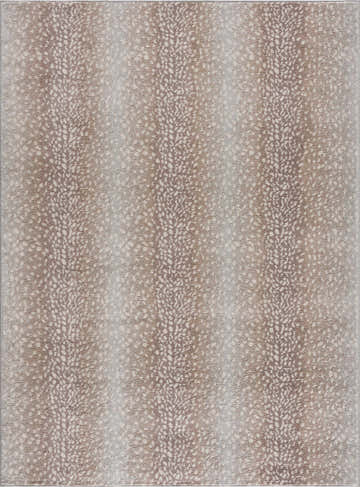
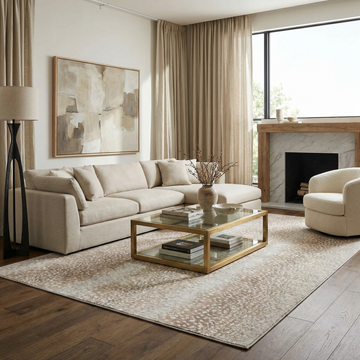
Pointblank Tan Leopard Print Rug
Sale price: $159 Regular price:$19920% offUnit price /Unavailable -

 ★ Best Seller
Gray Ecorse Zebra Print Area Rug
Sale price: $99 Regular price:$11917% offUnit price /Unavailable -

 ★ Best SellerWashable
 -

 Sale price: $157 Regular price:$35055% offUnit price /Unavailable
 -

 WoolHandmade
Lukamu Modern Art Deco Handmade Area Rug
Sale price: $299 Regular price:$87066% offUnit price /Unavailable -

 WoolHandmade
Lytufa Modern Art Deco Handmade Area Rug
Sale price: $719 Regular price:$1,88062% offUnit price /Unavailable -

 Sale price: $157 Regular price:$35055% offUnit price /Unavailable
 -

 Sale price: $157 Regular price:$35055% offUnit price /Unavailable
 -

 Sale price: $157 Regular price:$35055% offUnit price /Unavailable
 -

 WoolHandmadeSale price: $299 Regular price:$87066% offUnit price /Unavailable
 -


Emile Textured Rug with Fringes
Sale price: $219 Regular price:$29927% offUnit price /Unavailable -

 HandmadeWashable
Anicet Checkered Washable Wool Area Rug
Sale price: $119 Regular price:$1298% offUnit price /Unavailable -

 ★ Best SellerWashable
Bethany Vintage Flat Pile Washable Rug
Sale price: $169 Regular price:$36954% offUnit price /Unavailable -

 Washable
Livabliss x Our PNW Home Rainier Damask Tan Washable Rug
Sale price: $189 Regular price:$21914% offUnit price /Unavailable -


-


Palanit Thick Luxe Boutique Rug
Sale price: $219 Regular price:$30929% offUnit price /Unavailable -


Marlene Machine Woven Becki Owens x LIVABLISS BOMN-2302 Area Rug
Sale price: $119 Regular price:$1298% offUnit price /Unavailable -

 Washable
Truls 3D Checkered Washable Rug - Bone
Sale price: $139 Regular price:$1390% offUnit price /Unavailable -


Fetscher Machine Woven Galey Alix x LIVABLISS GAHU-2302 Area Rug
Sale price: $199 Regular price:$2199% offUnit price /Unavailable -

 Washable
Morcott Peach Washable Area Rug
Sale price: $149 Regular price:$17917% offUnit price /Unavailable -


Margot Machine Woven Becki Owens x LIVABLISS BOSC-2300 Area Rug
Sale price: $119 Regular price:$1298% offUnit price /Unavailable -

 Handmade
Kamey Handmade Becki Owens x LIVABLISS BOKY-2302 Area Rug
Sale price: $239 Regular price:$43946% offUnit price /Unavailable


How to Choose an Area Rug That Actually Fits Your Room
Area rugs define a section of a room instead of covering the floor wall to wall. They anchor furniture, soften sound, add warmth, and bring color or pattern to hard floors. The biggest mistake shoppers make is not style. It is size.
After helping customers choose rugs for living rooms, bedrooms, dining rooms, entryways, and hallways, we've seen the same patterns repeat. Most rug regrets come from buying too small, choosing the wrong material for the room, or skipping a rug pad in a high-traffic space. Here is what to know before choosing an area rug for your home.
The Sizing Mistake That Causes Most Returns
The most common reason customers exchange a rug is buying one size too small. Standard US bed and room dimensions make this predictable:
| Room | Standard dimensions | Size shoppers often buy | Size that usually fits | What goes wrong |
|---|---|---|---|---|
| Living room | Around 12 by 18 ft for a typical room | 5x7 | 8x10 or 9x12 | Furniture sits off the rug; the rug looks small in front of the sofa |
| Bedroom (queen bed) | Bed is 60 by 80 in | 5x7 | 8x10 | Rug stops at the foot of the bed and doesn't reach past the nightstands |
| Bedroom (king bed) | Bed is 76 by 80 in | 8x10 | 9x12 | Rug looks dwarfed by the bed; sides show only a few inches of rug |
| Dining room | Table-dependent | 6x9 | 8x10 or larger | Chair legs slide off the rug edge when guests stand up |
| Entryway | Hallway-dependent | 2x3 | 2.5x8 runner or 3x5 | Rug looks lost in a standard hallway |
The two rules that prevent most sizing errors:
- Living and dining rooms. All furniture legs should sit on the rug, or at minimum the front legs of every seating piece.
- Bedrooms. The rug should extend 18 to 24 inches past the bed on the foot and both sides. For a king bed, that math works out to 9x12. For a queen bed, 8x10. For a full or twin, 6x9.
If you're between sizes, size up.
For full measurements room by room, see our rug size guide.
What Each Material Actually Does in Real Life
Forget the generic "wool is luxurious, synthetic is durable" line every rug site repeats. Here is what we tell customers based on how each material performs in real homes:
- Polypropylene. One of our most popular materials because it works well for busy homes. Many polypropylene rugs handle everyday spills well and are easier to spot-clean than delicate fibers. Always follow the care label before using strong cleaners. The trade-off is feel: polypropylene isn't as soft as wool underfoot. Best for living rooms with kids or pets, dining rooms, hallways, and any space where food and feet meet.
- Polyester. Softer than polypropylene and the material behind our machine-washable line. Holds vibrant color exceptionally well, which is why most of our pink, blue, and green collections are polyester. Many washable polyester rugs are easier to clean than traditional rugs, but larger sizes like 8x10 may need a large-capacity or commercial washer. Always check the care label and washer capacity before washing. Best for bedrooms, kids' rooms, and any room that needs to be cleaned often.
- Wool. A long-lasting natural fiber that holds up well over time. Naturally stain-resistant from the lanolin in the fiber. Doesn't crush under furniture the way synthetics can. Costs more. Wool may shed during the first few months, and regular vacuuming usually reduces shedding over time. Best for rooms you want to keep for years.
- Viscose and Silk. Sheen and softness no other fiber matches. Also the material we get the most "ruined it" emails about. Do not put viscose in bathrooms, kitchens, dining rooms, or anywhere a drink might spill. Water leaves permanent marks. Best for formal living rooms and bedrooms where the rug is mostly looked at.
- Jute. Texture-heavy, sustainable, and fits coastal and farmhouse interiors. Holds crumbs in the weave and is hard to clean thoroughly. Don't put it under a dining table.
- Cotton. Soft and breathable with a naturally relaxed look. Takes dye well, which is why cotton works for both bright flatweaves and muted neutrals. Wears faster than wool or polypropylene in busy rooms, so check the care label, since not all cotton rugs are machine-washable. Best for low-traffic bedrooms, accent areas, and rooms with a casual or bohemian style.
What We'd Tell You Not to Buy
Honest version of "things to consider":
- Don't buy viscose for any room with food or water. This is the most regretted purchase in our category. If you love the look, low-pile polypropylene with a similar sheen is a safer alternative.
- Don't put a 5x7 in a standard US living room. A 5x7 covers 35 square feet, much smaller than most living rooms need. We sell plenty of 5x7s, but they belong in bedrooms, offices, and small dens.
- Don't skip the rug pad. A rug pad can help extend the life of the rug by reducing friction, bunching, slipping, and corner curling. Customers who skip the pad often email us about wear patterns later.
Choosing By Room
- Living room. Go 8x10 or 9x12. Polypropylene if you have kids or pets, wool if you don't. See living room rugs.
- Bedroom. 8x10 for a queen bed, 9x12 for a king bed. Soft fibers (polyester, wool) reward bare feet. See bedroom rugs.
- Dining room. Rug size = table size + 24 inches on every side, so chairs stay on the rug when pulled out. Low pile only. See dining room rugs.
- Kitchen. Washable. Always. See machine washable rugs.
- Outdoor and patio. Polypropylene rated for outdoor use. See outdoor rugs.
- Entryway and hallways. Runners (2.5 by 8 ft or longer) or small accent rugs (3x5). See runner rugs.
Standard Sizes We Stock
Rectangular: 2x3, 3x5, 4x6, 5x7, 5x8, 6x9, 7x10, 8x10, 9x12, 10x14, and 12x15. Round: 4 ft to 10 ft diameter. Runners: 2x6 to 2.5x12. Square: 5x5, 6x6, 7x7, and 8x8.
FAQ for Area Rugs
What should I look for when buying an area rug?
What should I look for when buying an area rug?
Choose a rug that fits your room size and furniture layout. Measure your space and make sure furniture legs rest on the rug. Pick durable materials for high-traffic areas, soft ones for bedrooms, and easy-to-clean options for dining rooms.
What types of rugs should I avoid in high-traffic areas?
What types of rugs should I avoid in high-traffic areas?
Avoid high-pile rugs like shag or tufted styles they wear out quickly and make it harder to move furniture. Use low or medium-pile rugs instead, especially in hallways, offices, and dining areas.
How do I know what size area rug I need?
How do I know what size area rug I need?
Measure your room and layout first. In living rooms, the rug should fit under at least the front legs of furniture. In dining rooms, it should extend 24 inches beyond the table. Leave 12–18 inches of bare floor around the edges.
Do all area rugs need a rug pad?
Do all area rugs need a rug pad?
Yes. A rug pad prevents slipping, protects floors, and adds comfort. It also helps rugs wear evenly. Choose one slightly smaller than your rug to keep it hidden.
What’s the easiest type of area rug to clean?
What’s the easiest type of area rug to clean?
Synthetic rugs like polypropylene and washable rugs are easiest to maintain. They resist stains, handle spills well, and dry quickly. Low-pile styles are also easier to vacuum.


Boutique Rugs · New
Experience Our New Site
We've built a new version of our website and we'd love for you to try it. It's faster and makes finding the right rug a lot easier.
